
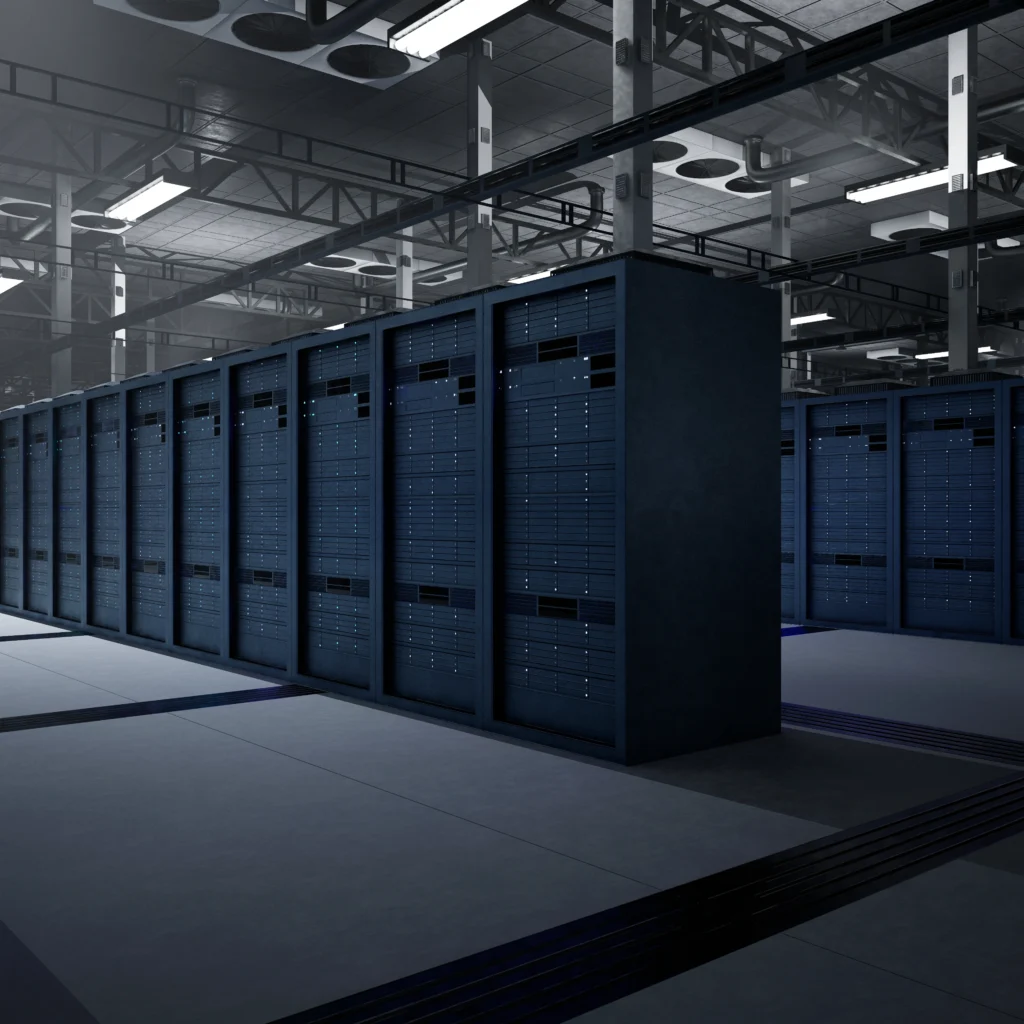
Modern businesses rely heavily on data centres to manage critical operations, store sensitive data, and ensure uninterrupted digital services. From cloud platforms to enterprise systems, data centres form the backbone of today’s digital economy. However, one of the most overlooked aspects of maintaining these environments is cleanliness.
Data centre deep cleaning is a specialized process designed to remove dust, contaminants, and debris from sensitive IT environments. Unlike regular cleaning, it involves controlled methods that protect servers, networking equipment, and cooling systems.
Dust accumulation, airborne particles, and environmental contaminants can significantly affect equipment performance, leading to overheating, system failures, and increased downtime. According to Uptime Institute, environmental factors such as contamination and poor maintenance are among the key contributors to data centre performance issues.
In regions like the UAE, where dust levels are naturally higher, maintaining clean data centre environments becomes even more critical.
What is Data Centre Deep Cleaning
Data centre deep cleaning refers to a highly controlled cleaning process specifically designed for IT environments. It involves removing microscopic dust particles, contaminants, and pollutants from:
- Server racks
- Raised floors
- Cable trays
- Cooling systems
- Air filtration units
Difference Between Regular Cleaning and Deep Cleaning
-
Regular Cleaning
• Surface-level cleaning
• General housekeeping
• Not suitable for sensitive IT environments -
Data Centre Deep Cleaning
• Specialized equipment and tools
• Anti-static cleaning methods
• HEPA-filter vacuum systems
• Trained professionals
Deep cleaning ensures that critical infrastructure remains protected while maintaining optimal performance.
Why Data Centre Deep Cleaning is Critical
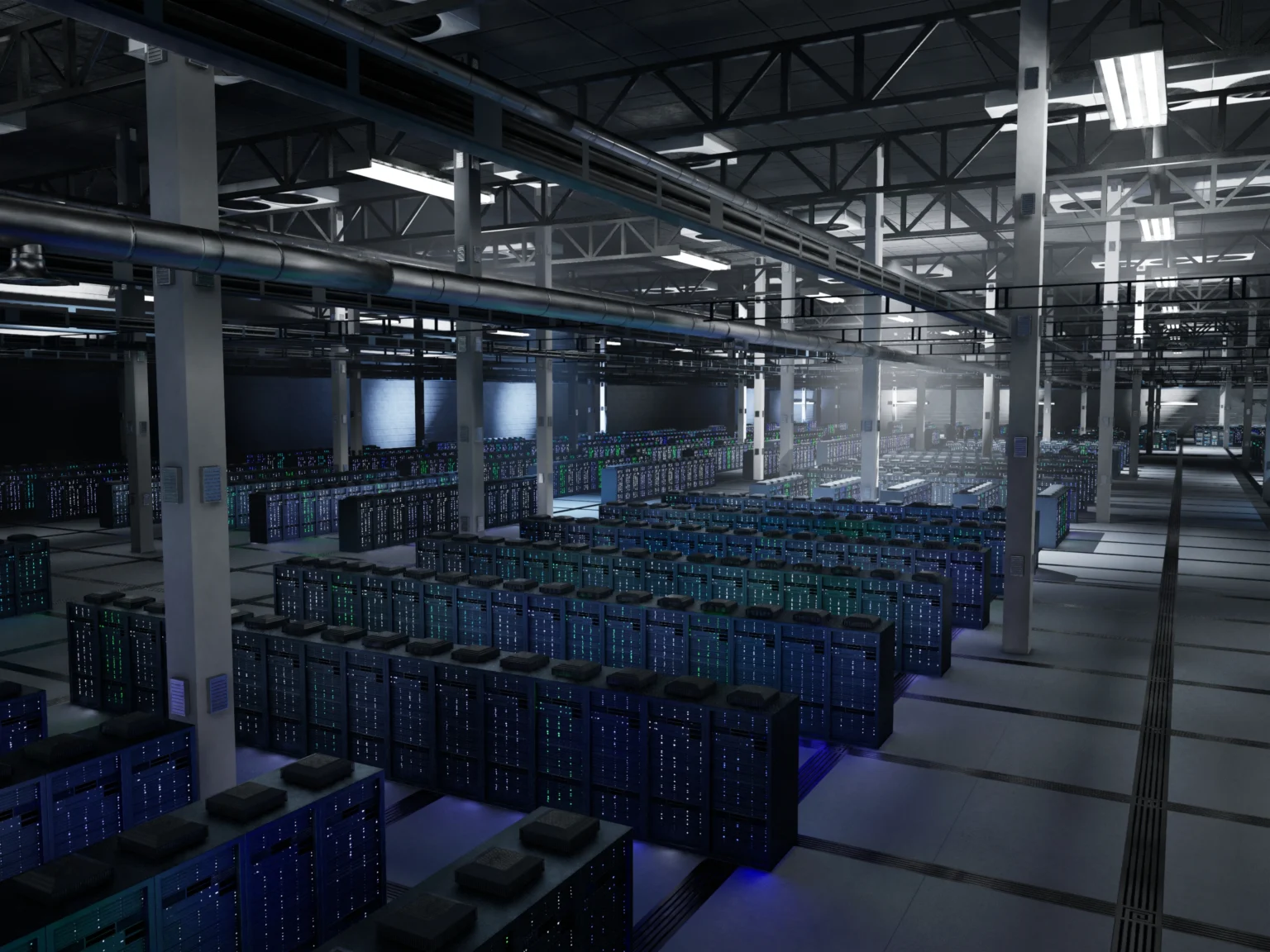
Data centres operate in highly controlled environments where even minor contamination can lead to serious issues.
-
Prevents Equipment Overheating
Dust accumulation blocks airflow in servers and cooling systems. This leads to overheating, which reduces equipment lifespan and increases the risk of failure. -
Improves Airflow Efficiency
Clean environments ensure that cooling systems function effectively. Efficient airflow reduces energy consumption and improves system performance. -
Reduces Risk of Downtime
Unplanned downtime can cost businesses thousands of dollars per minute. Clean data centres reduce the likelihood of hardware failure and system disruptions. -
Enhances Equipment Lifespan
Dust and contaminants can damage sensitive components over time. Regular deep cleaning extends the life of IT equipment. -
Supports Compliance and Standards
Many organizations follow international standards for data centre operations. According to ASHRAE, maintaining clean environments is essential for proper thermal management and system performance.
Key Areas Covered in Data Centre Deep Cleaning
-
Raised Floor Cleaning
Dust often accumulates under raised floors where cables and airflow systems are located. Cleaning these areas ensures proper air circulation. -
Server Rack Cleaning
Server racks are cleaned using anti-static tools to prevent damage to sensitive components. -
Cable Management Areas
Dust buildup around cables can affect airflow and create fire risks. -
Air Filtration Systems
Filters and air systems are cleaned to maintain proper air quality. -
Ceiling and Structural Areas
Dust accumulation in ceilings can fall into critical equipment areas if not managed properly.
Industry Examples and Real-World Use Cases
-
Enterprise Data Centres in UAE
Large enterprises in Dubai and Abu Dhabi operate high-density data centres that require regular maintenance. Due to environmental dust, companies schedule periodic deep cleaning to maintain system performance. -
Cloud Service Providers
Cloud providers rely on clean environments to ensure uptime and service reliability. Even minor contamination can impact thousands of users. -
Financial Institutions
Banks and financial institutions use data centres for transaction processing. Clean environments are critical to avoid downtime and ensure security. -
Healthcare Data Systems
Hospitals rely on data centres for patient data and diagnostics. Clean infrastructure ensures uninterrupted healthcare services.
Impact of Dust on Data Centre Performance
Dust is one of the biggest threats to data centre efficiency.
-
Thermal Insulation Effect
Dust acts as an insulating layer, trapping heat and reducing cooling efficiency. -
Electrical Risks
Contaminants can cause short circuits and electrical failures. -
Reduced Airflow
Blocked vents and filters reduce airflow, increasing system strain.
According to Gartner, infrastructure inefficiencies, including environmental factors, can significantly impact IT performance and operational costs.
Data Centre Cleaning Process
Professional data centre deep cleaning follows a structured process.
-
Site Assessment
Experts evaluate the data centre environment and identify critical areas. -
Preparation
Sensitive equipment is protected, and cleaning zones are defined. -
Controlled Cleaning
Using specialized tools such as:
• HEPA-filter vacuums
• anti-static wipes
• low-moisture cleaning methods -
Post-Cleaning Inspection
Final checks ensure no contamination remains.
Benefits of Professional Data Centre Cleaning Services
Organizations that invest in professional cleaning gain:
- Improved System Reliability
- Reduced Maintenance Costs
- Enhanced Operational Efficiency
- Better Compliance with Standards
- Increased Equipment Longevity
Businesses looking to maintain high-performance environments often rely on data centre deep cleaning services to ensure optimal operations.
Why Data Centre Cleaning is Essential in UAE
The UAE environment presents unique challenges:
-
High Dust Levels
Desert conditions increase airborne dust particles. -
Climate Conditions
High temperatures require efficient cooling systems, which depend on clean airflow. -
Rapid Digital Growth
UAE businesses are rapidly adopting digital infrastructure, increasing the need for maintenance.
Future Trends in Data Centre Maintenance
-
Automated Monitoring Systems
AI-driven monitoring systems will detect environmental issues in real time. -
Predictive Maintenance
Analytics will predict when cleaning is required. -
Green Data Centres
Sustainable practices will focus on energy efficiency and environmental impact. -
Smart Cleaning Technologies
Robotic cleaning systems may be used in high-security environments.
Conclusion
Data centre deep cleaning is not just a maintenance activity but a critical component of IT infrastructure management. Clean environments ensure optimal performance, reduce risks, and improve operational efficiency.
Organizations that prioritize data centre cleaning can significantly enhance system reliability, reduce downtime, and extend equipment lifespan.
In regions like the UAE, where environmental conditions pose additional challenges, regular deep cleaning becomes essential for maintaining high-performance data centres.