
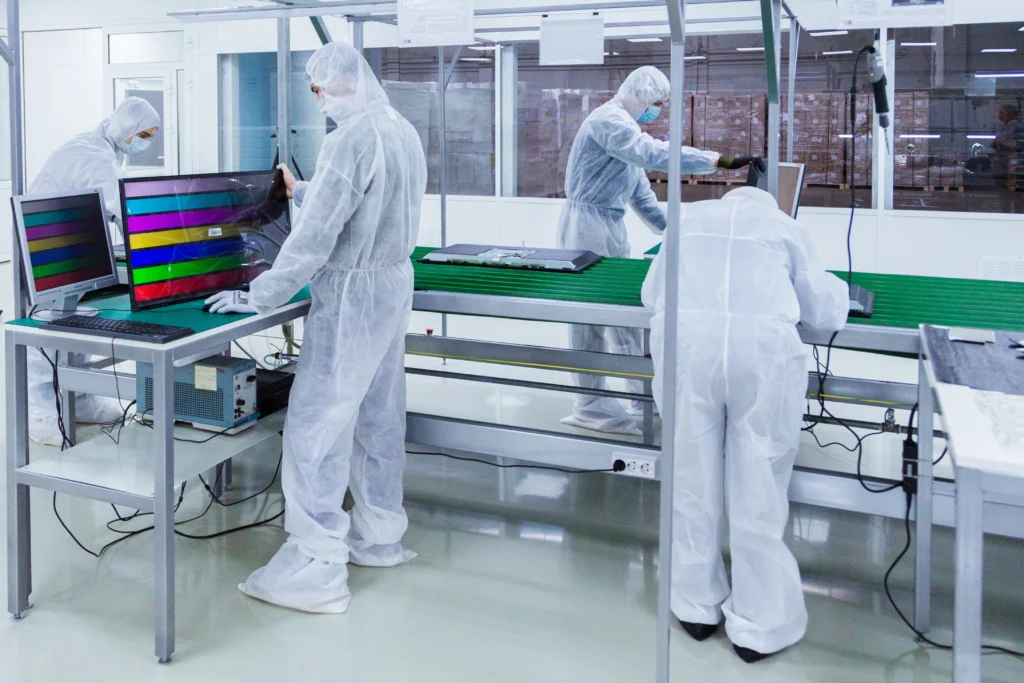
Data centres are designed to operate in highly controlled environments where temperature, humidity, and airflow are carefully managed. However, one of the most underestimated threats to data centre performance is dust.
Dust particles may seem harmless, but in sensitive IT environments, they can cause serious issues such as overheating, airflow blockage, hardware damage, and even system failures. Over time, accumulated dust can significantly reduce the efficiency of servers and cooling systems, leading to increased operational costs and downtime.
According to ASHRAE, maintaining clean airflow and environmental conditions is essential for optimal data centre performance and thermal management.
In regions like the UAE, where dust levels are naturally higher due to desert conditions, the impact of dust on server performance becomes even more critical. This makes data centre deep cleaning an essential part of infrastructure maintenance.
Understanding Dust in Data Centre Environments
Dust in data centres consists of various microscopic particles that enter the facility through air circulation, human activity, and external environmental conditions.
-
Common Sources of Dust
• outdoor air intake systems
• human movement and clothing fibers
• construction activities nearby
• poor air filtration systems -
Types of Contaminants
• fine dust particles
• pollen and organic materials
• metallic particles
• fibers and debris
How Dust Impacts Server Performance
Dust affects multiple aspects of data centre operations, from hardware performance to energy efficiency.
-
Airflow Blockage
Dust accumulates in vents, fans, and air pathways, restricting airflow. Reduced airflow leads to inefficient cooling and increased system temperatures. -
Overheating of Equipment
When airflow is restricted, servers cannot dissipate heat effectively. This results in overheating, which can reduce performance and damage components. -
Reduced Cooling Efficiency
Cooling systems must work harder to maintain optimal temperatures in dusty environments. This increases energy consumption and operational costs. -
Electrical Failures
Dust particles can conduct electricity under certain conditions, leading to short circuits and hardware failures. -
Hardware Degradation
Accumulated dust can wear down sensitive components, reducing their lifespan and reliability.
According to Gartner, infrastructure inefficiencies, including environmental contamination, can significantly impact IT system performance and costs.
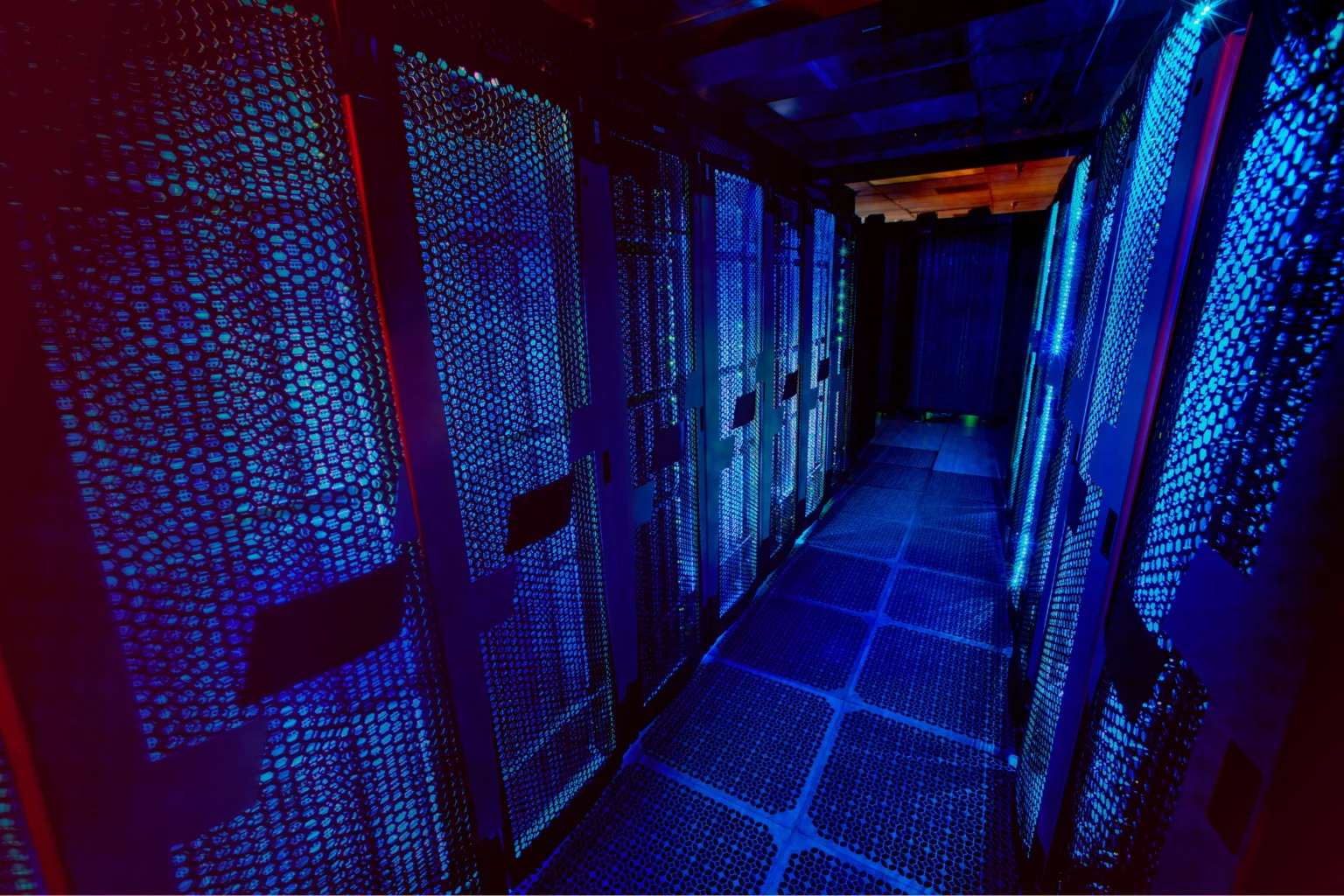
Impact on Cooling Systems and Energy Efficiency
-
Increased Energy Consumption
Dust forces cooling systems to work harder, leading to higher energy usage. -
Reduced Cooling System
Lifespan Continuous strain on cooling systems can lead to faster wear and tear. -
Inefficient Air Distribution
Blocked vents and filters disrupt airflow patterns, reducing cooling effectiveness.
Clean environments are essential for maintaining energy-efficient operations in data centres.
Real-World Industry Examples
-
UAE Data Centres
Due to high dust levels, data centres in Dubai and Abu Dhabi require frequent cleaning. Without proper maintenance, dust accumulation can quickly impact performance. -
Cloud Service Providers
Large-scale cloud providers rely on clean environments to maintain uptime. Even minor contamination can affect thousands of users. -
Financial Institutions
Banks require stable and secure data centre environments. Dust-related failures can disrupt critical financial operations. -
Healthcare Systems
Hospitals depend on reliable data centres for patient data and diagnostics. Clean environments ensure uninterrupted services.
Signs That Dust is Affecting Your Data Centre
-
Rising Temperature Levels
Unexpected increases in temperature may indicate airflow issues caused by dust. -
Increased Energy Costs
Higher cooling costs often signal inefficiencies in airflow. -
Frequent Hardware Failures
Dust accumulation can lead to recurring equipment issues. -
Visible Dust Buildup
Dust on server racks and cables indicates poor maintenance.
How to Prevent Dust-Related Issues
-
Regular Data Centre Deep Cleaning
Professional cleaning removes dust and contaminants safely. -
High-Quality Air Filtration Systems
Effective filtration reduces airborne particles entering the data centre. -
Controlled Access to Facilities
Limiting unnecessary movement reduces dust introduction. -
Proper Cable Management
Organized cables improve airflow and reduce dust accumulation. -
Routine Maintenance Schedules
Regular inspections and cleaning ensure optimal performance.
Best Practices for Managing Dust in Data Centres
-
Use Anti-Static Cleaning Tools
Prevents damage to sensitive equipment. -
Implement HEPA Filtration
HEPA filters capture fine particles effectively. -
Monitor Environmental Conditions
Track temperature, humidity, and dust levels. -
Integrate Cleaning with Facility Services
Cleaning should be part of overall maintenance strategy.
Role of Data Centre Design in Dust Control
-
Airflow Optimization
Proper airflow design reduces dust accumulation. -
Sealed Environments
Minimizing external air entry reduces contamination. -
Raised Floor Systems
Helps manage airflow and dust control.
Future Trends in Data Centre Dust Management
-
Smart Monitoring Systems
Sensors will detect dust levels and trigger alerts. -
AI-Based Maintenance
AI systems will predict when cleaning is required. -
Automated Cleaning Technologies
Robotic cleaning solutions may be used in sensitive environments. -
Sustainable Data Centres
Energy-efficient and clean environments will become a priority.
According to IDC, automation and AI-driven infrastructure management are shaping the future of data centres.
Why Dust Control is Critical in UAE
-
Environmental Conditions
Desert climates lead to high dust levels. -
High Cooling Demand
Efficient cooling systems depend on clean airflow. -
Growing Digital Infrastructure
Increased demand for data centres requires proper maintenance.
UAE-based data centres must adopt strict cleaning practices to maintain performance.
Conclusion
Dust is one of the most significant threats to data centre performance. It affects airflow, cooling efficiency, hardware reliability, and overall operational costs.
Organizations must take proactive measures to manage dust through regular cleaning, proper design, and advanced monitoring systems. In regions like the UAE, where environmental conditions pose additional challenges, maintaining clean data centre environments becomes even more critical.
By investing in professional cleaning services and following best practices, businesses can ensure long-term performance, reduce downtime, and protect their IT infrastructure.