
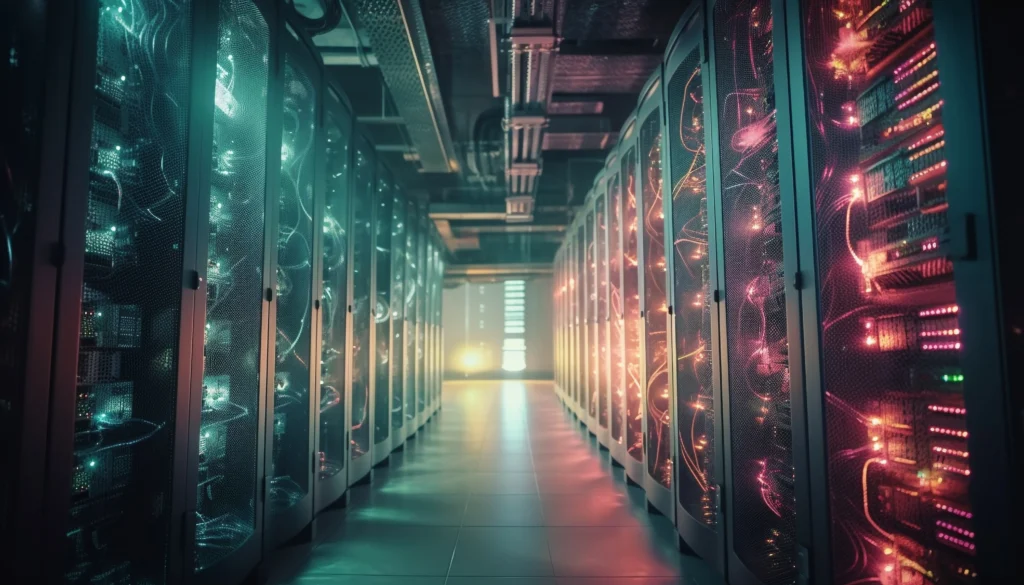
Data centres are mission-critical environments that support business operations, cloud services, and enterprise IT infrastructure. Ensuring their optimal performance requires not only advanced hardware and cooling systems but also proper environmental maintenance. One of the most important yet often overlooked aspects is cleaning.
Many organizations ask a key question: how often should a data centre be cleaned? The answer depends on several factors such as environmental conditions, equipment density, and operational standards.
Regular cleaning is essential to prevent dust accumulation, maintain airflow, and reduce the risk of downtime. According to Uptime Institute, environmental factors like contamination can significantly impact data centre performance and reliability.
In regions such as the UAE, where dust levels are naturally higher, cleaning frequency becomes even more critical.
Why Cleaning Frequency Matters in Data Centres
Maintaining the right cleaning schedule is not just about appearance. It directly impacts performance, safety, and operational efficiency.
-
Preventing Dust Accumulation
Dust particles can settle on servers, cables, and cooling systems. Over time, this buildup reduces efficiency and increases the risk of overheating. -
Maintaining Cooling Efficiency
Clean airflow pathways are essential for cooling systems. Blocked vents can lead to higher energy consumption and reduced system performance. -
Reducing Equipment Failure
Contaminants can damage sensitive components, leading to unexpected hardware failures. -
Ensuring Compliance
Standards from organizations such as ASHRAE emphasize maintaining controlled environments for optimal performance.
Recommended Data Centre Cleaning Frequency
There is no one-size-fits-all answer, but industry best practices provide general guidelines.
-
Daily and Weekly Maintenance
Basic cleaning tasks should be performed regularly:
• monitoring dust levels
• cleaning accessible surfaces
• checking air filters -
Monthly Cleaning
Monthly cleaning focuses on:
• surface dust removal
• inspection of cooling systems
• cleaning entry points -
Quarterly Deep Cleaning
Every 3 months, data centres should undergo deeper cleaning, including:
• raised floor cleaning
• server rack cleaning
• cable tray maintenance -
Bi-Annual or Annual Deep Cleaning
Comprehensive deep cleaning should be performed at least once or twice a year depending on environmental conditions. Businesses often rely on data centre deep cleaning services for scheduled maintenance.
Factors That Affect Cleaning Frequency
-
Location and Environment
Data centres in dusty regions such as the UAE require more frequent cleaning compared to controlled environments. -
Data Centre Size
Larger data centres with more equipment generate more airflow and attract more dust. -
Equipment Density
High-density server environments require more frequent cleaning to maintain airflow. -
Air Filtration Quality
Advanced filtration systems can reduce dust accumulation but still require regular maintenance. -
Industry Requirements
Certain industries, such as finance and healthcare, require stricter maintenance standards.
Industry Examples and Real-World Use Cases
-
UAE Enterprise Data Centres
Organizations in Dubai and Abu Dhabi often schedule quarterly deep cleaning due to high dust exposure. This ensures system reliability and compliance. -
Cloud Service Providers
Cloud providers maintain strict cleaning schedules to ensure uptime and performance. Even minor contamination can affect thousands of users. -
Financial Institutions
Banks rely on clean data centres for secure transaction processing. Regular cleaning helps prevent disruptions. -
Healthcare Systems
Hospitals require continuous access to patient data. Clean environments ensure uninterrupted operations.
Risks of Not Cleaning Data Centres Regularly
Ignoring cleaning schedules can lead to serious consequences.
-
Overheating and System Failure
Dust blocks airflow, causing systems to overheat. -
Increased Energy Costs
Cooling systems work harder in dirty environments, increasing electricity consumption. -
Hardware Damage
Contaminants can damage sensitive components and reduce equipment lifespan. -
Downtime and Financial Loss
Downtime can result in significant financial losses and reputational damage.
According to Gartner, infrastructure failures can lead to major operational disruptions and increased costs.
Data Centre Cleaning Best Practices
Dust is one of the biggest threats to data centre efficiency.
-
Use Specialized Equipment
Cleaning should be performed using:
• HEPA-filter vacuums
• anti-static tools
• controlled cleaning solutions -
Train Professional Staff
Only trained professionals should handle data centre cleaning to avoid equipment damage. -
Follow a Maintenance Schedule
Organizations should establish a structured cleaning schedule based on their environment and operations. -
Monitor Environmental Conditions
Regular monitoring of dust levels and airflow helps determine cleaning needs. -
Integrate with Facility Services
Cleaning should be part of a broader maintenance strategy including cooling and power systems.
Data Centre Cleaning Checklist
Organizations should follow a structured checklist:
-
Daily Tasks
• monitor temperature and airflow
• check air filters -
Weekly Tasks
• clean accessible surfaces
• inspect equipment -
Monthly Tasks
• clean cable areas
• inspect cooling systems -
Quarterly Tasks
• deep clean under raised floors
• clean server racks -
Annual Tasks
• full data centre deep cleaning
• system inspection
Cleaning Frequency in UAE Conditions
The UAE presents unique challenges:
-
High Dust Exposure
Desert conditions increase airborne particles. -
Extreme Temperatures
High temperatures require efficient cooling systems. -
Rapid Infrastructure Growth
Growing digital infrastructure increases maintenance demands.
Because of these factors, UAE data centres often require more frequent cleaning cycles compared to other regions.
Future Trends in Data Centre Maintenance
-
Predictive Maintenance
AI systems will predict when cleaning is required based on environmental data. -
Smart Monitoring Systems
Sensors will detect dust levels and trigger alerts. -
Automated Cleaning Technologies
Robotic cleaning systems may be used in sensitive environments. -
Sustainable Practices
Green data centres will focus on energy-efficient maintenance solutions.
Conclusion
Maintaining the right cleaning frequency is essential for ensuring data centre performance, reliability, and safety. Regular cleaning prevents dust accumulation, improves airflow, and reduces the risk of downtime.
Organizations must adopt a structured cleaning schedule based on their environment, equipment, and operational needs. In regions like the UAE, where dust levels are high, more frequent cleaning is necessary to maintain optimal performance.
By investing in proper cleaning practices and professional services, businesses can protect their infrastructure and ensure long-term efficiency.