

Modern businesses generate enormous volumes of data from digital platforms, customer interactions, operational systems, and connected devices. However, raw data alone does not create value. The real advantage comes from the ability to analyze data and use it to anticipate future trends.
Predictive analytics is one of the most powerful technologies enabling organizations to transform historical data into forward-looking insights. By applying statistical models, machine learning algorithms, and advanced analytics techniques, predictive analytics allows businesses to forecast outcomes, identify patterns, and make proactive decisions.
Organizations across industries are using predictive analytics to optimize operations, improve customer experiences, and reduce risks. According to research by the McKinsey & Company, companies that effectively leverage advanced analytics and predictive models can improve operational performance by 20–30 percent.
As businesses continue to embrace data-driven strategies, predictive analytics is becoming a critical component of modern enterprise technology ecosystems.
What is Predictive Analytics
Predictive analytics refers to the use of statistical algorithms, machine learning models, and historical data to forecast future outcomes. Instead of simply describing past performance, predictive analytics helps organizations anticipate what is likely to happen next.
These systems analyze large datasets to identify patterns and relationships between variables. Based on these patterns, predictive models generate forecasts or recommendations that support business decision-making.
For example, a retail company might analyze past customer purchases, browsing behavior, and seasonal trends to predict which products will be in high demand during upcoming months.
Predictive analytics typically combines several technologies including:
- Machine learning algorithms
- Statistical modeling
- Data mining
- Artificial intelligence
- Big data analytics
Organizations seeking advanced forecasting capabilities often implement predictive analytics platforms that integrate data processing, machine learning models, and analytics dashboards into enterprise environments.
Key Components of Predictive Analytics
Predictive analytics systems rely on multiple technologies that work together to generate accurate forecasts.
-
Data Collection and Preparation
High-quality data is the foundation of predictive analytics. Organizations collect data from various sources including business applications, customer interactions, IoT devices, and external datasets. Before analysis begins, the data must be cleaned, transformed, and organized to ensure accuracy. -
Statistical Modeling
Statistical models identify relationships between variables in a dataset. These models help analysts understand how different factors influence business outcomes. Common statistical techniques used in predictive analytics include regression analysis, time-series forecasting, and probability modeling. -
Machine Learning Algorithms
Machine learning allows predictive systems to automatically learn patterns from historical data. As the system processes more data, its predictions become more accurate over time. Popular machine learning frameworks such as TensorFlow and PyTorch are commonly used to develop predictive models. -
Data Visualization and Reporting
Predictive insights are often presented through dashboards and visual analytics tools that help decision-makers interpret forecasts and trends easily. These dashboards allow organizations to monitor predictions, track performance metrics, and make strategic decisions based on real-time insights.
Benefits of Predictive Analytics for Businesses
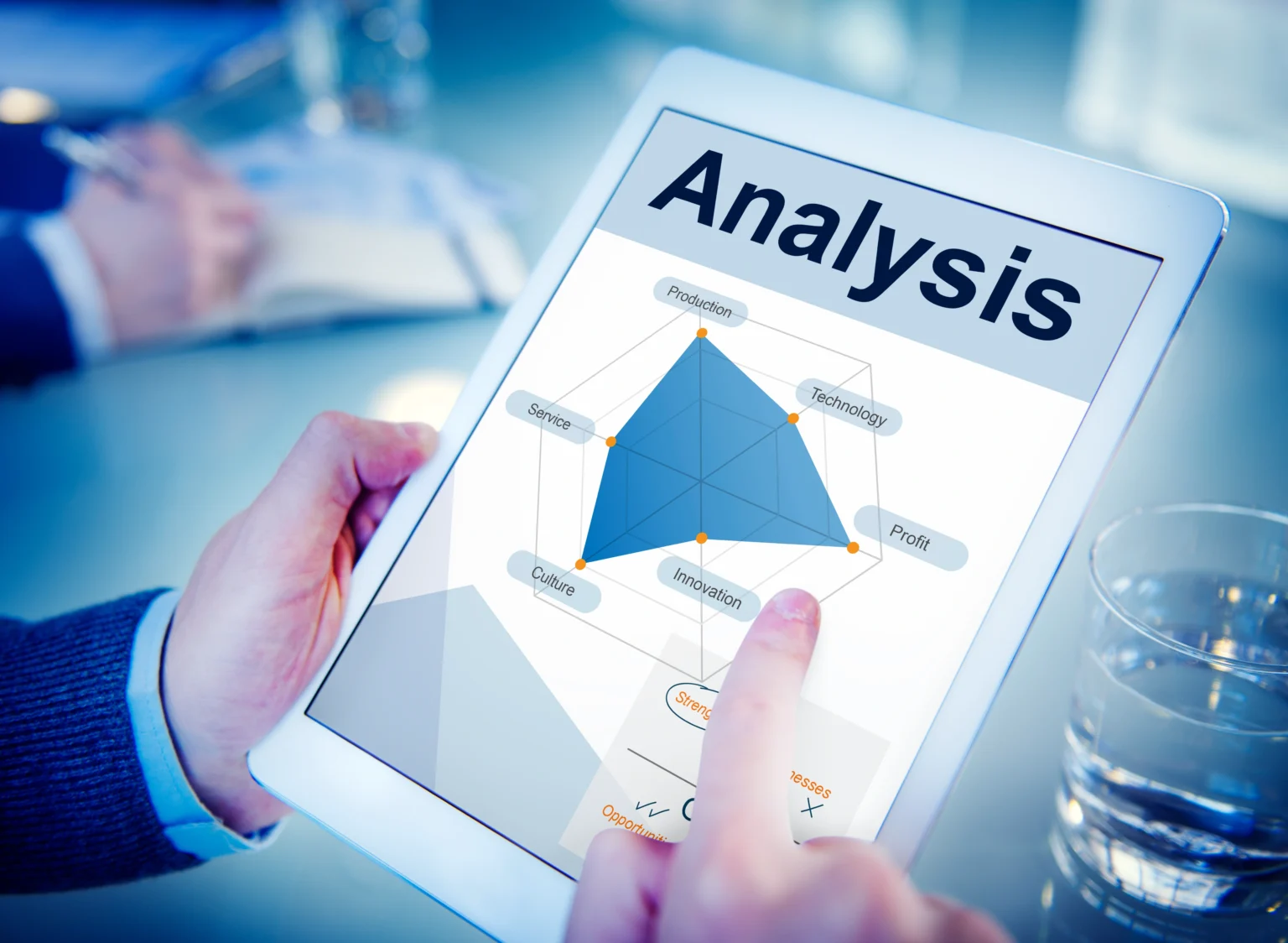
Organizations adopting predictive analytics can gain several strategic advantages.
-
Improved Decision Making
Predictive models provide data-driven insights that support strategic decisions. Instead of relying solely on intuition or historical reports, organizations can make decisions based on projected outcomes. -
Enhanced Customer Experience
Businesses can use predictive analytics to understand customer behavior and anticipate customer needs. For example, predictive models can identify which customers are likely to make a purchase, cancel subscriptions, or respond to marketing campaigns. -
Risk Reduction
Predictive analytics helps organizations identify potential risks before they occur. Financial institutions use predictive models to detect fraud, while manufacturing companies use predictive maintenance systems to prevent equipment failures. -
Increased Operational Efficiency
By forecasting demand and resource requirements, predictive analytics allows businesses to optimize operations and reduce unnecessary costs. According to research from Deloitte, organizations that adopt predictive analytics can significantly improve operational efficiency and reduce operational risks.
Industry Applications of Predictive Analytics
Predictive analytics is transforming industries by enabling smarter and faster decision-making.
-
Retail and E-Commerce
Retailers use predictive analytics to forecast product demand, optimize inventory levels, and personalize customer experiences. Companies like Amazon analyze customer browsing behavior and purchase history to recommend products that customers are likely to buy. This approach improves sales conversion rates and customer engagement. -
Financial Services
Banks and financial institutions rely heavily on predictive analytics for fraud detection and risk management. Machine learning models analyze transaction patterns and identify anomalies that may indicate fraudulent activities. Predictive analytics also supports credit scoring models that assess the likelihood of loan repayment. -
Healthcare and Medical Research
Healthcare organizations use predictive analytics to analyze patient data, predict disease outbreaks, and improve treatment planning. For example, predictive models can analyze medical records and identify patients at risk of developing chronic conditions. Healthcare analytics platforms developed by organizations such as IBM support predictive medical analysis. -
Manufacturing and Industrial Operations
Manufacturing companies use predictive analytics to monitor equipment performance and predict maintenance requirements. Predictive maintenance systems analyze machine data to identify signs of potential failures before breakdowns occur. According to Gartner, predictive maintenance can reduce equipment downtime by up to 50 percent in certain industrial environments. -
Logistics and Supply Chain Management
Predictive analytics helps logistics companies forecast demand, optimize delivery routes, and manage inventory levels more efficiently. Companies such as UPS use predictive models to optimize delivery routes and reduce transportation costs.
Real World Use Cases of Predictive Analytics
Predictive analytics is widely used in practical business scenarios.
-
Customer Churn Prediction
Subscription-based companies analyze customer behavior to identify users who may cancel services. Predictive models detect early warning signs and trigger retention campaigns. -
Sales Forecasting
Businesses use predictive analytics to forecast future sales based on historical trends, seasonal patterns, and market conditions. -
Fraud Detection
Financial institutions analyze transaction data in real time to detect suspicious activities and prevent fraud. -
Predictive Maintenance
Industrial organizations analyze machine sensor data to predict equipment failures and schedule maintenance proactively. -
Marketing Campaign Optimization
Marketing teams use predictive analytics to identify the most effective campaigns, target the right audiences, and maximize marketing return on investment.
Implementing Predictive Analytics in Enterprises
Deploying predictive analytics requires careful planning and technical infrastructure.
-
Data Infrastructure
Organizations must establish scalable data infrastructure capable of processing large volumes of structured and unstructured data. -
Data Governance and Quality
Ensuring data accuracy and consistency is essential for generating reliable predictive insights. -
Integration with Business Systems
Predictive analytics platforms must integrate with enterprise applications such as CRM systems, ERP platforms, and analytics dashboards. -
Skilled Data Teams
Data scientists, analysts, and engineers are required to design predictive models and maintain analytics systems. Businesses implementing enterprise analytics platforms often integrate predictive analytics with broader data analytics ecosystems that include data engineering, data warehousing, and business intelligence tools.
Future Trends in Predictive Analytics
Predictive analytics technology continues to evolve as organizations adopt more advanced AI capabilities.
-
AI-Driven Predictive Models
Artificial intelligence is enhancing predictive analytics by enabling more sophisticated machine learning algorithms capable of analyzing complex datasets. -
Real-Time Predictive Analytics
Future analytics systems will provide predictions in real time, allowing organizations to respond instantly to changing conditions. -
Automated Predictive Platforms
Advanced analytics platforms are increasingly automating model development, allowing businesses to generate predictive insights without requiring extensive data science expertise. -
Integration with Business Automation
Predictive analytics will increasingly integrate with automation platforms to trigger automated actions based on predictions. For example, predictive models could automatically adjust inventory levels, trigger marketing campaigns, or optimize production schedules. According to research by IDC, global spending on big data and analytics solutions is expected to continue growing rapidly as organizations invest in data-driven technologies.
The Role of Predictive Analytics in Digital Transformation
Digital transformation initiatives rely heavily on data analytics and artificial intelligence. Predictive analytics plays a central role in this transformation by enabling organizations to anticipate trends, identify opportunities, and respond proactively to market changes.
Businesses implementing predictive analytics can:
- Improve decision-making accuracy
- Optimize operational efficiency
- Enhance customer experiences
- Reduce financial risks
- Drive innovation through data insights
By integrating predictive analytics with modern data platforms, organizations can build intelligent enterprise systems that support long-term growth and competitiveness.
Conclusion
Predictive analytics is revolutionizing how businesses use data to forecast future outcomes and guide strategic decisions. By combining statistical modeling, machine learning algorithms, and advanced analytics techniques, predictive analytics enables organizations to transform historical data into actionable insights.
From retail demand forecasting and fraud detection to predictive maintenance and healthcare analytics, organizations across industries are using predictive analytics to improve efficiency, reduce risks, and enhance customer experiences.
As data volumes continue to grow and AI technologies advance, predictive analytics will become an essential component of modern enterprise intelligence systems.
Organizations investing in predictive analytics solutions today will gain powerful capabilities to anticipate market trends, optimize operations, and drive long-term business success.
predictive analytics solutions
Businesses use predictive analytics solutions to forecast trends, identify patterns, and improve data-driven decision making.