
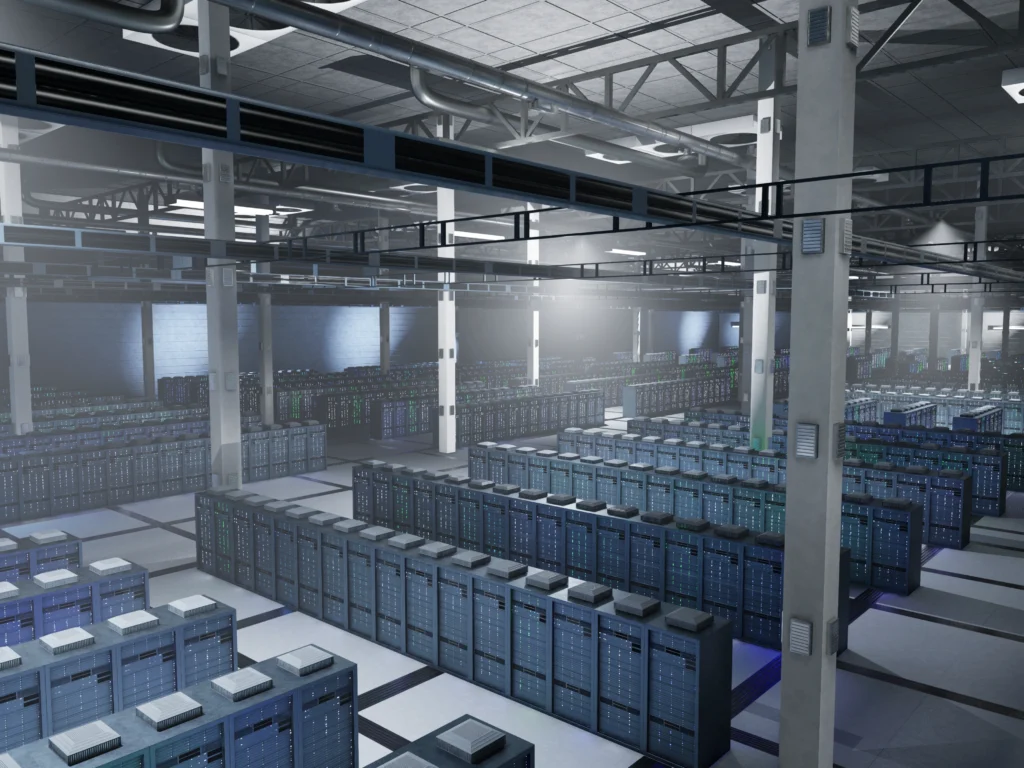
Organizations today rely heavily on data to drive decision making, improve operational efficiency, and deliver better customer experiences. Every business system—from customer relationship management platforms to financial systems—generates valuable data that can help organizations understand performance and predict future outcomes.
However, enterprise data is often distributed across multiple systems, formats, and applications. Without proper data management infrastructure, it becomes difficult to analyze this information effectively.
Data warehousing and ETL technologies solve this challenge by enabling organizations to collect, integrate, and organize data from multiple sources into centralized analytics platforms. These systems form the backbone of modern data analytics ecosystems and support advanced capabilities such as business intelligence, predictive analytics, and machine learning.
According to research from Gartner, modern data platforms that integrate data warehousing and ETL pipelines play a critical role in helping organizations build scalable analytics environments and support data-driven decision-making.
As companies continue to generate larger volumes of data, modern data warehousing and ETL solutions are becoming essential components of enterprise analytics strategies.
What is Data Warehousing
A data warehouse is a centralized repository that stores structured data from multiple sources for analysis and reporting. Unlike operational databases that support daily business transactions, data warehouses are designed specifically for analytical workloads.
Data warehouses consolidate data from systems such as:
- Enterprise resource planning platforms
- Customer relationship management systems
- Marketing platforms
- Financial databases
- Operational applications
By storing this data in a centralized environment, organizations can analyze large datasets more efficiently and generate insights that support strategic decisions.
Modern data warehouses are often built using cloud-based platforms that enable scalable storage and high-performance analytics. Cloud services provided by companies such as Amazon Web Services and Google Cloud allow businesses to build highly scalable data warehouse environments without maintaining complex infrastructure.
What is ETL
ETL stands for Extract, Transform, and Load, a process used to move data from multiple sources into a data warehouse.
The ETL pipeline performs three primary functions:
-
Extract
The extraction stage collects data from various systems such as databases, applications, APIs, and external data sources. For example, an organization may extract customer transaction data from its e-commerce platform and marketing data from advertising platforms. -
Transform
During the transformation stage, the extracted data is cleaned, standardized, and converted into a consistent format suitable for analytics. Transformation tasks may include:
• Removing duplicate records
• Standardizing data formats
• Applying business rules
• Aggregating datasets -
Load
In the final stage, the transformed data is loaded into the data warehouse where it becomes available for analytics, reporting, and visualization. Modern ETL tools automate these processes to ensure that enterprise data pipelines remain efficient and reliable.
Core Components of Modern Data Warehousing and ETL
Successful data platforms rely on several technologies that work together to support enterprise analytics.
-
Data Integration Tools
Data integration platforms connect various data sources and automate ETL workflows. These tools enable organizations to build scalable data pipelines that move data efficiently between systems. -
Data Storage Infrastructure
Modern data warehouses use distributed storage architectures that allow organizations to store massive datasets. Cloud-based storage solutions provide scalability and flexibility, allowing businesses to expand data infrastructure as their data volumes grow. -
Data Processing Engines
Data processing engines handle large-scale data transformations and analytics workloads. Distributed processing frameworks such as Apache Spark enable organizations to process large datasets efficiently. -
Data Governance and Security
Organizations must implement governance frameworks that ensure data accuracy, security, and regulatory compliance. Data governance policies help organizations manage data access, maintain data quality, and protect sensitive information.
Benefits of Data Warehousing and ETL for Enterprises

Organizations implementing modern data pipelines gain several strategic advantages.
-
Centralized Data Management
Data warehouses consolidate information from multiple systems, creating a single source of truth for analytics. This improves consistency and reliability in reporting. -
Improved Analytics Performance
Analytical queries run much faster in data warehouse environments compared to operational databases. This enables organizations to analyze large datasets quickly and generate insights in real time. -
Better Data Quality
ETL pipelines ensure that data is cleaned, standardized, and validated before it is used for analytics. -
Support for Advanced Analytics
Data warehouses provide the foundation for advanced analytics applications including predictive analytics, artificial intelligence, and machine learning.
According to research by Deloitte, organizations with mature data infrastructure are more likely to successfully implement advanced analytics and AI initiatives.
Industry Applications of Data Warehousing and ETL
Data warehousing technologies are widely used across many industries.
-
Retail and E Commerce
Retail companies use data warehouses to analyze sales trends, monitor inventory levels, and track customer purchasing behavior. For example, companies such as Amazon rely on advanced data platforms to process billions of transactions and deliver personalized product recommendations. -
Financial Services
Banks use data warehouses to analyze financial transactions, monitor regulatory compliance, and detect fraud. Data pipelines allow financial institutions to consolidate transaction data from multiple systems and generate analytics insights quickly. -
Healthcare and Medical Research
Healthcare organizations use data warehouses to store patient records, clinical data, and research information. Analytics platforms built on data warehouses help healthcare providers analyze treatment outcomes and improve patient care. -
Manufacturing and Supply Chain
Manufacturers rely on data warehouses to monitor production data, analyze supply chain performance, and optimize inventory management. Real-time analytics platforms help manufacturers identify inefficiencies and improve operational efficiency.
Real World Use Cases of Data Warehousing
Modern data warehouses support several important enterprise applications.
-
Business Intelligence and Reporting
Data warehouses provide the foundation for business intelligence dashboards that help organizations monitor key performance metrics. -
Customer Analytics
Companies analyze customer behavior data stored in data warehouses to improve marketing strategies and customer engagement. -
Financial Performance Analysis
Finance teams use data warehouses to analyze revenue trends, expenses, and financial performance. -
Fraud Detection
Financial institutions analyze large transaction datasets stored in data warehouses to identify suspicious activities. -
Data Science and Machine Learning
Data scientists use warehouse data to train machine learning models that generate predictive insights.
Implementing Data Warehousing and ETL in Enterprises
Organizations planning to build modern data pipelines must consider several important factors.
-
Data Architecture Design
Enterprises should design scalable data architectures that support growing data volumes and evolving analytics needs. -
Cloud Data Platforms
Many organizations adopt cloud data warehouse platforms that offer flexible infrastructure and cost-efficient storage. -
Data Integration Strategy
Businesses must ensure that ETL pipelines integrate data from all relevant enterprise systems. -
Data Governance Framework
Strong governance policies ensure that enterprise data remains accurate, secure, and compliant with regulations.
Future Trends in Data Warehousing and ETL
Data engineering technologies continue to evolve rapidly.
-
Cloud-Native Data Warehouses
Modern cloud platforms allow organizations to build fully scalable data warehouse environments that support advanced analytics workloads. -
ELT Data Processing
Many organizations are shifting from ETL to ELT architectures where data transformations occur within data warehouse environments. -
Real-Time Data Pipelines
Streaming data technologies are enabling organizations to process real-time data from IoT devices, applications, and digital platforms. -
AI-Powered Data Engineering
Artificial intelligence is increasingly being used to automate data pipeline management, detect anomalies, and optimize data processing workflows. According to research from IDC, global spending on data and analytics technologies continues to grow as organizations invest in data-driven innovation.
The Role of Data Warehousing in Digital Transformation
Data-driven organizations rely on modern analytics platforms to support digital transformation initiatives.
Data warehousing and ETL pipelines provide the infrastructure necessary to:
- Consolidate enterprise data
- Support business intelligence platforms
- Enable predictive analytics
- Power machine learning models
- Improve decision-making across departments
By implementing scalable data platforms, organizations can unlock valuable insights that drive innovation and operational efficiency.
Conclusion
Data warehousing and ETL technologies are fundamental components of modern data analytics ecosystems. By consolidating information from multiple sources and transforming it into structured formats, organizations can generate insights that support strategic decision-making.
From retail analytics and financial reporting to healthcare research and manufacturing optimization, data warehouses enable organizations to transform raw data into valuable business intelligence.
As enterprises continue to generate larger and more complex datasets, modern data pipelines will play an increasingly important role in enabling analytics, artificial intelligence, and digital transformation initiatives.
Organizations investing in scalable data warehousing and ETL solutions today will be better positioned to harness the power of data and maintain a competitive advantage in the digital economy.
Data warehousing and ETL solutions
Businesses rely on data warehousing and ETL solutions to integrate, process, and manage large volumes of enterprise data.